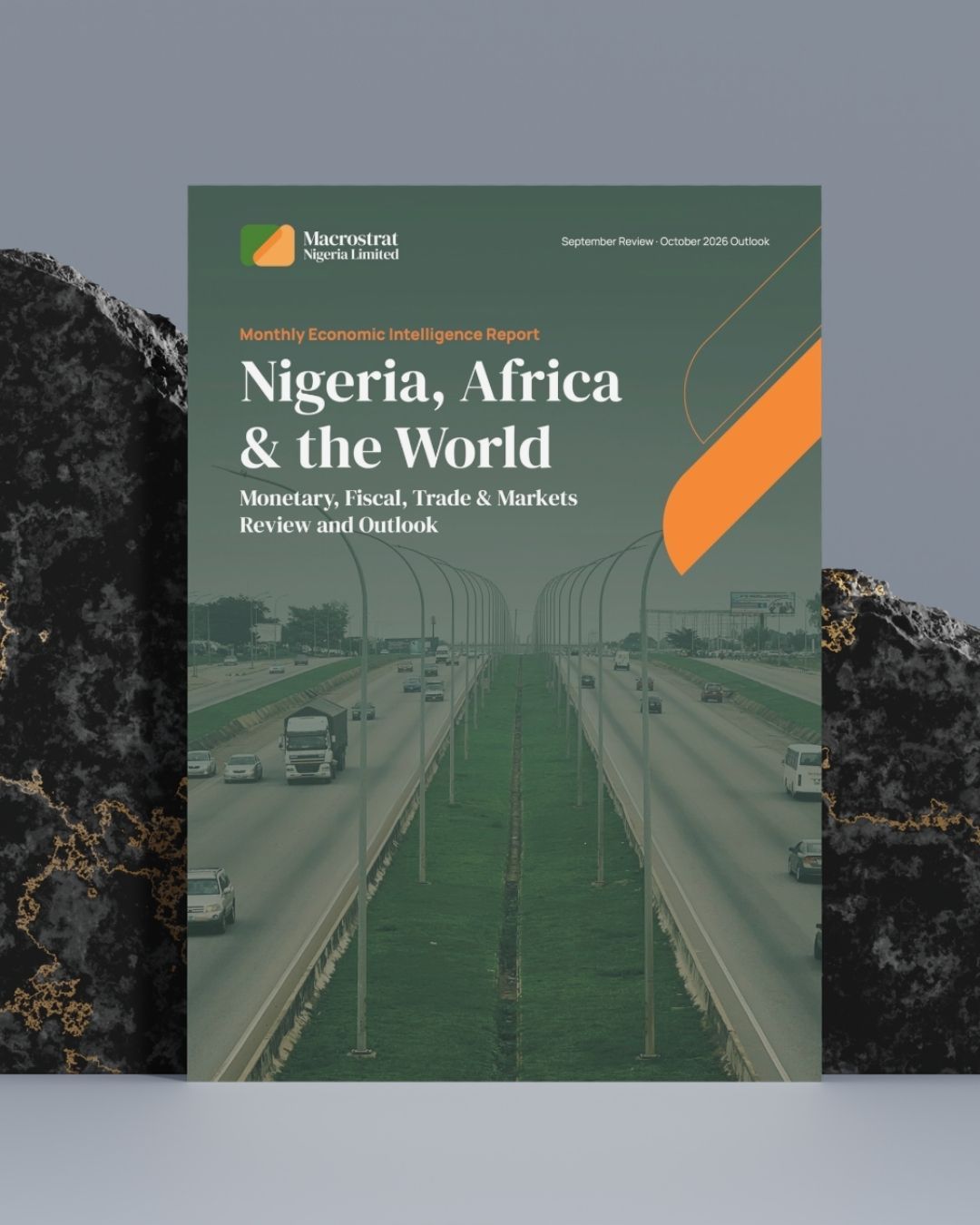
Nigeria, Africa & the World: September 2026 Review and October Outlook
Nigeria enters October with easing inflation, stronger reserves and a lower policy rate. Will these improvements translate into better financing conditions for businesses?
In today's fast-evolving landscape, decision-makers in government, businesses, and development sectors struggle to access reliable, data-driven insights. Without accurate research, policies and investments can be misaligned, leading to inefficiencies and missed opportunities.
Our research and analytical services empower organizations to make informed, strategic decisions.
Nigeria enters October with easing inflation, stronger reserves and a lower policy rate. Will these improvements translate into better financing conditions for businesses?
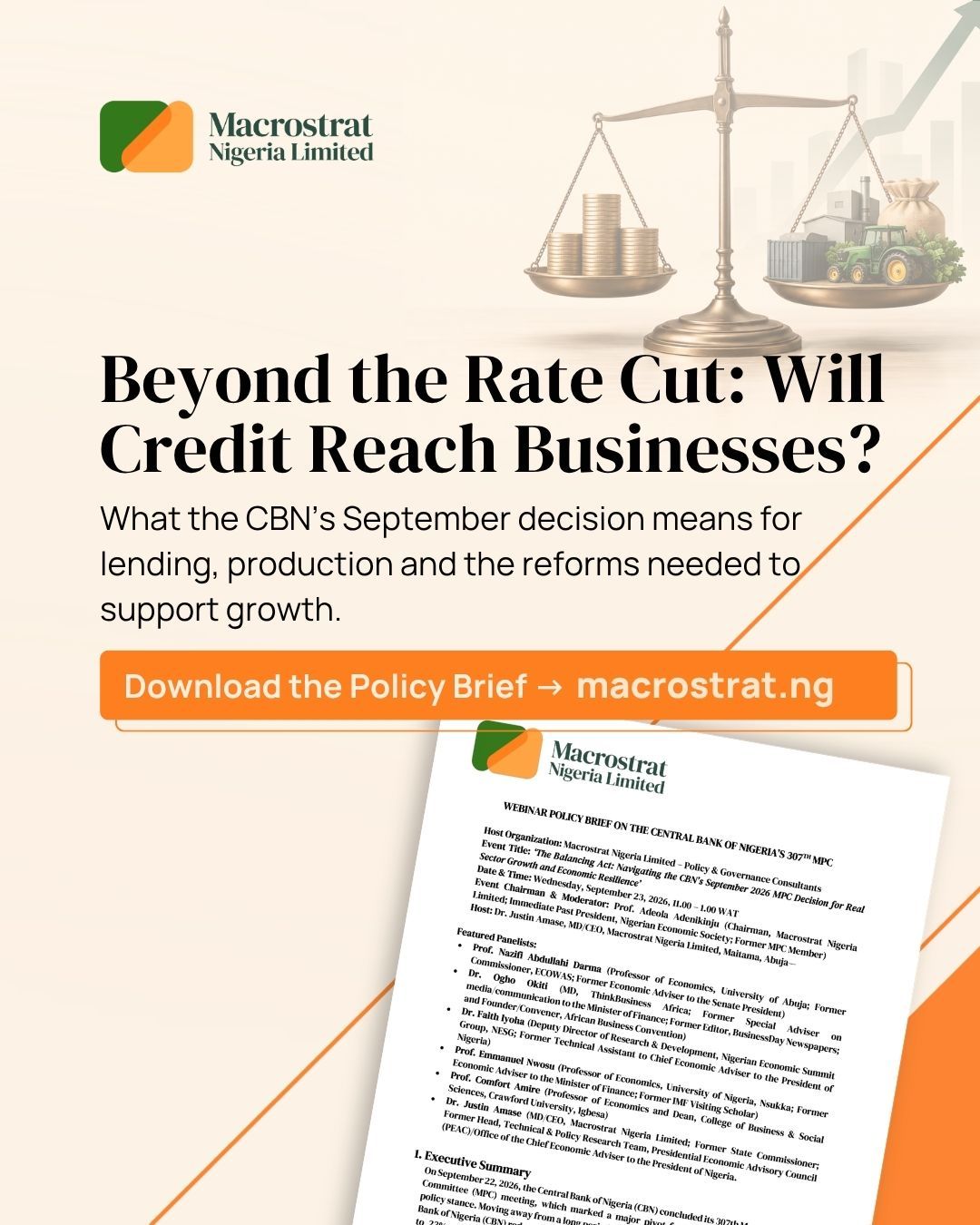
Understand the implications of the CBN’s September rate cut for manufacturers, MSMEs and agriculture. Drawing on Macrostrat’s 23 September 2026 webinar, this brief examines bank liquidity, lending constraints and structural barriers to production, alongside recommendations on targeted finance and monetary-fiscal coordination.
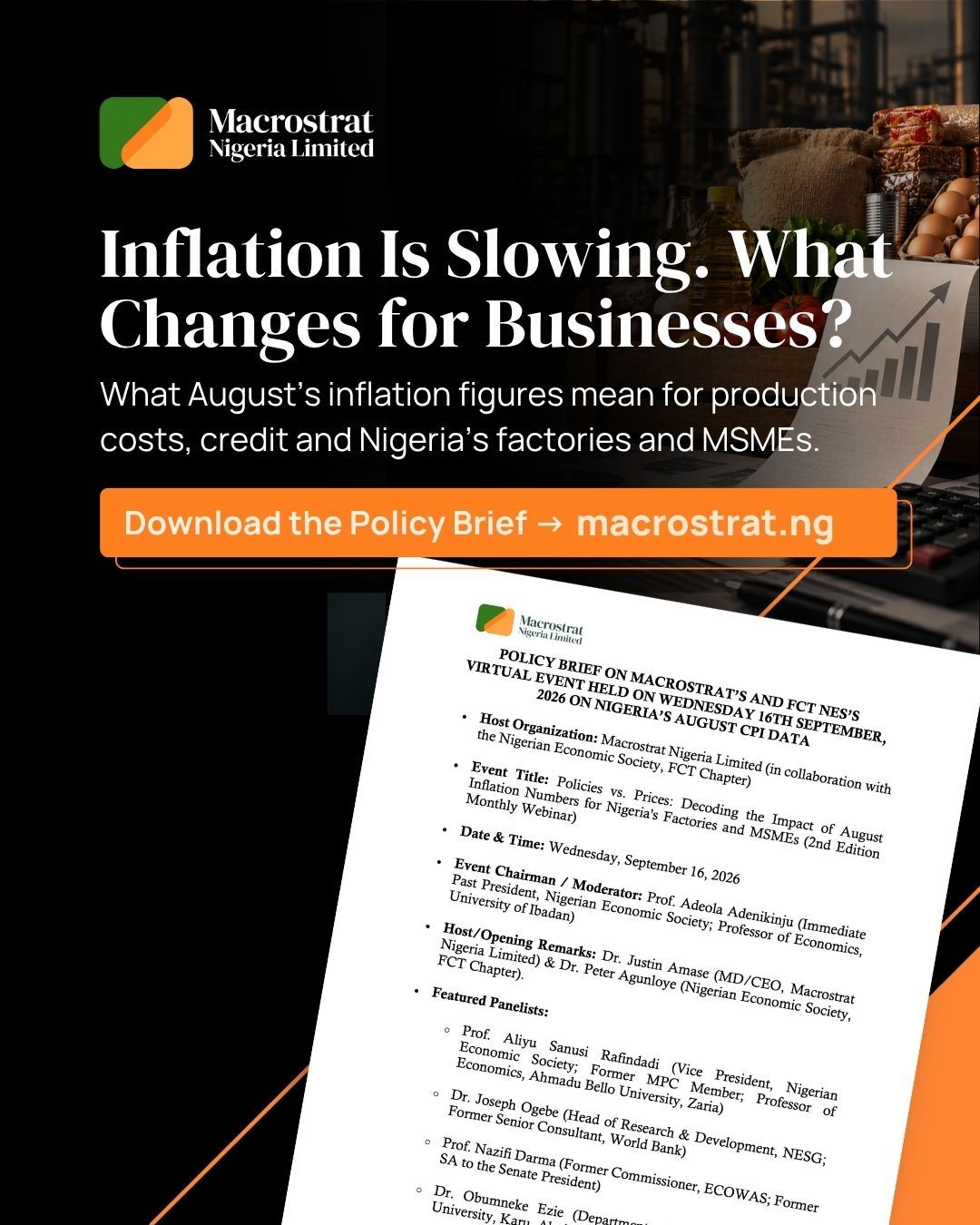
Explore what Nigeria’s August inflation figures mean for manufacturing and MSMEs. This brief examines credit, energy and supply-chain pressures, with recommendations for policymakers and considerations for businesses. Based on Macrostrat’s 16 September 2026 webinar with the Nigerian Economic Society, FCT Chapter, it reflects the policy context before the September MPC decision.
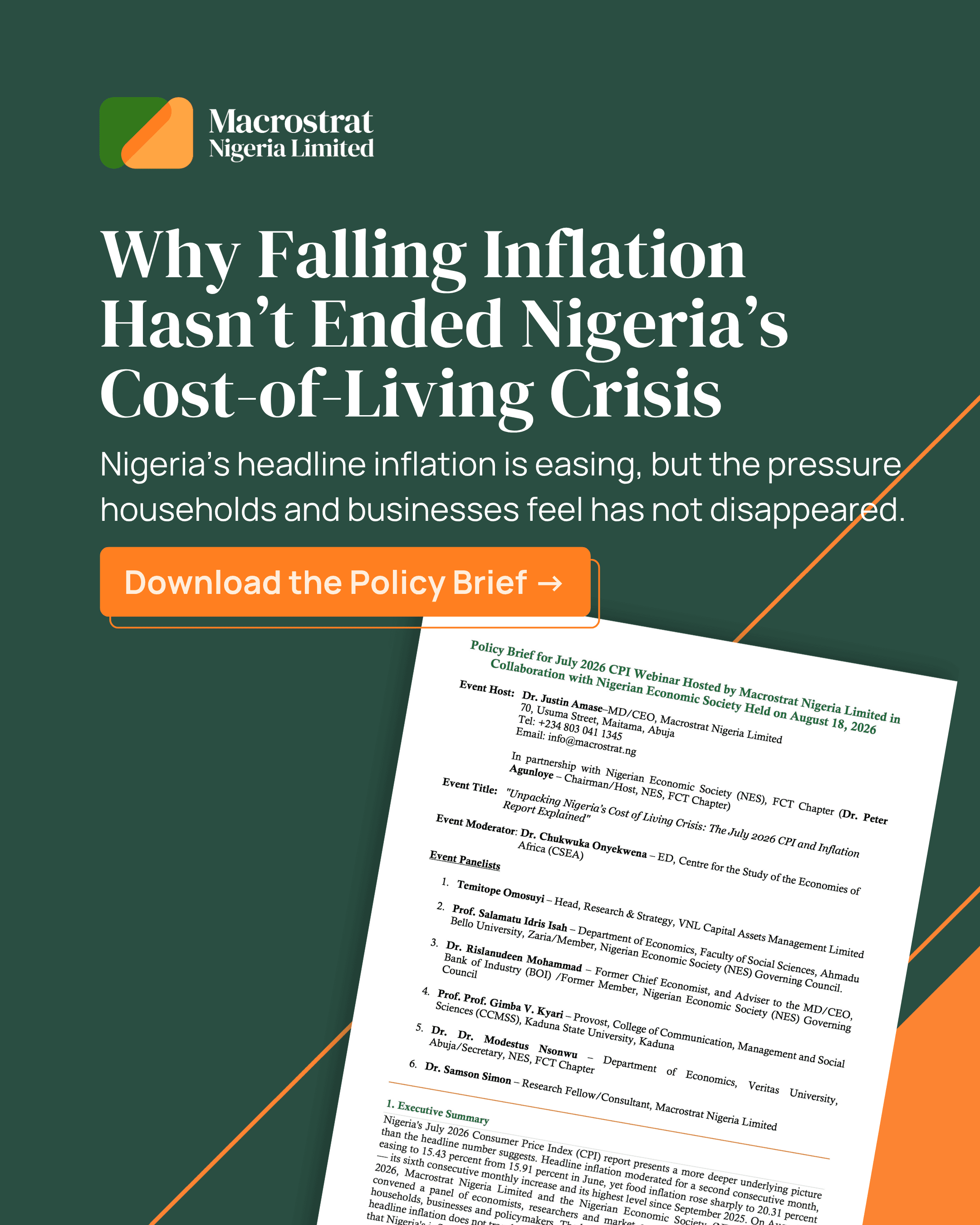
Following Macrostrat Nigeria Limited’s July CPI webinar, held in collaboration with the Nigerian Economic Society (NES), FCT Chapter, Macrostrat released this Policy Brief that distils the discussion and its implications for policymakers, businesses and investors.
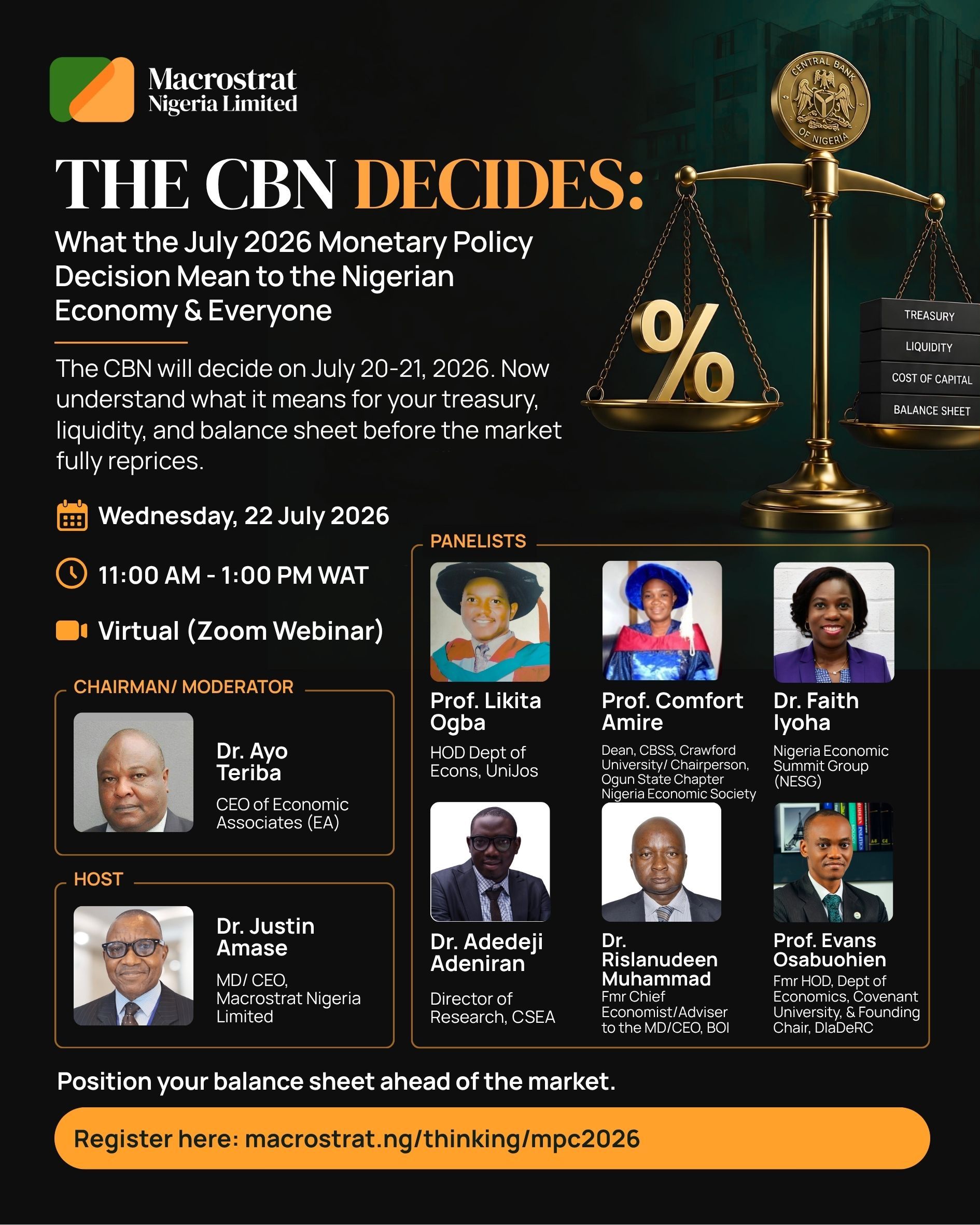
Macrostrat Nigeria Limited's national webinar analysing the outcome of the Central Bank of Nigeria's 306th Monetary Policy Committee (MPC) meeting.
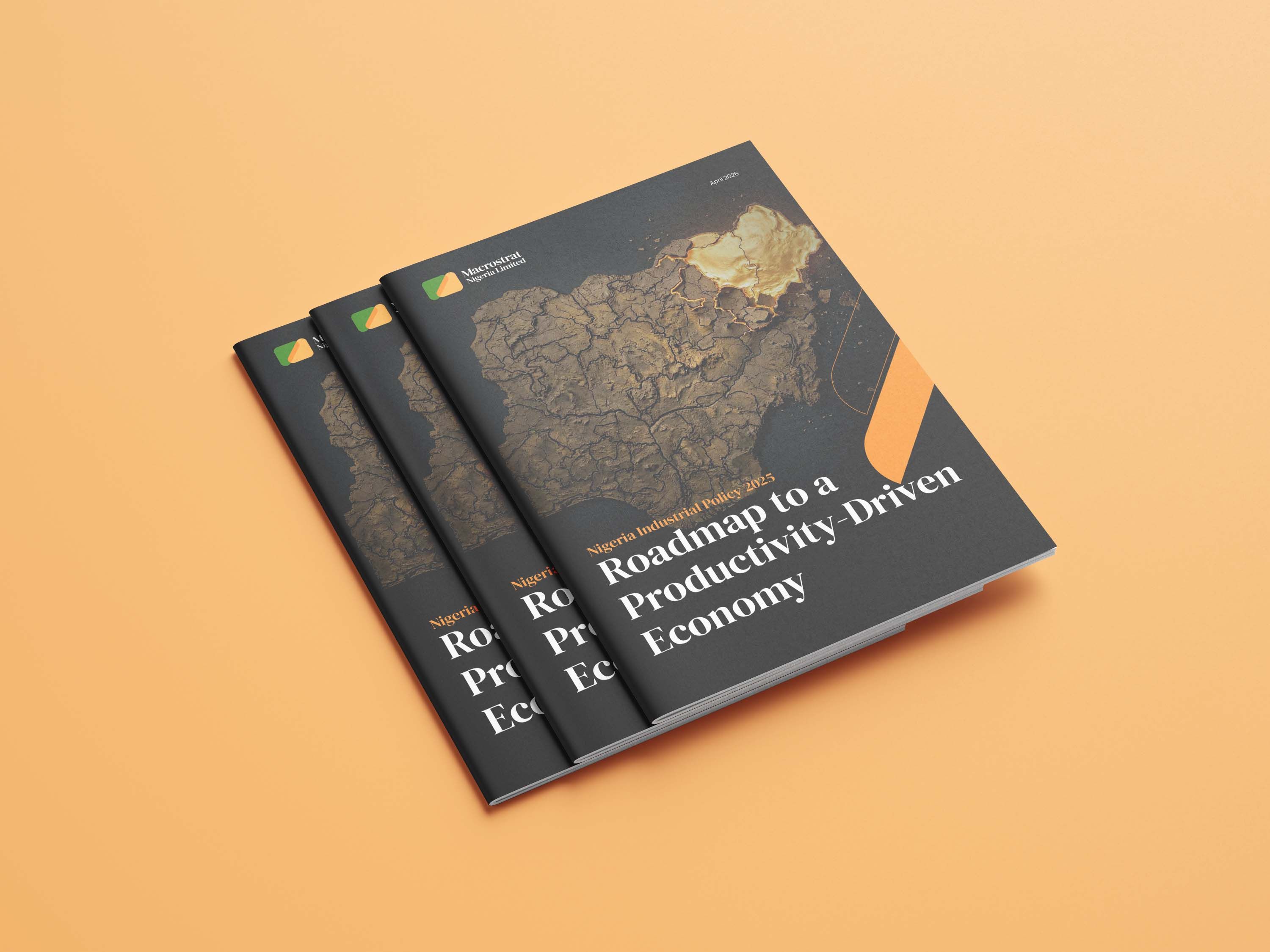
The Nigeria Industrial Policy 2025 represents a decisive shift toward building a product-driven, industrial economy. This report provides a clear, data-driven analysis of the policy—its rationale, structure, and expected impact.
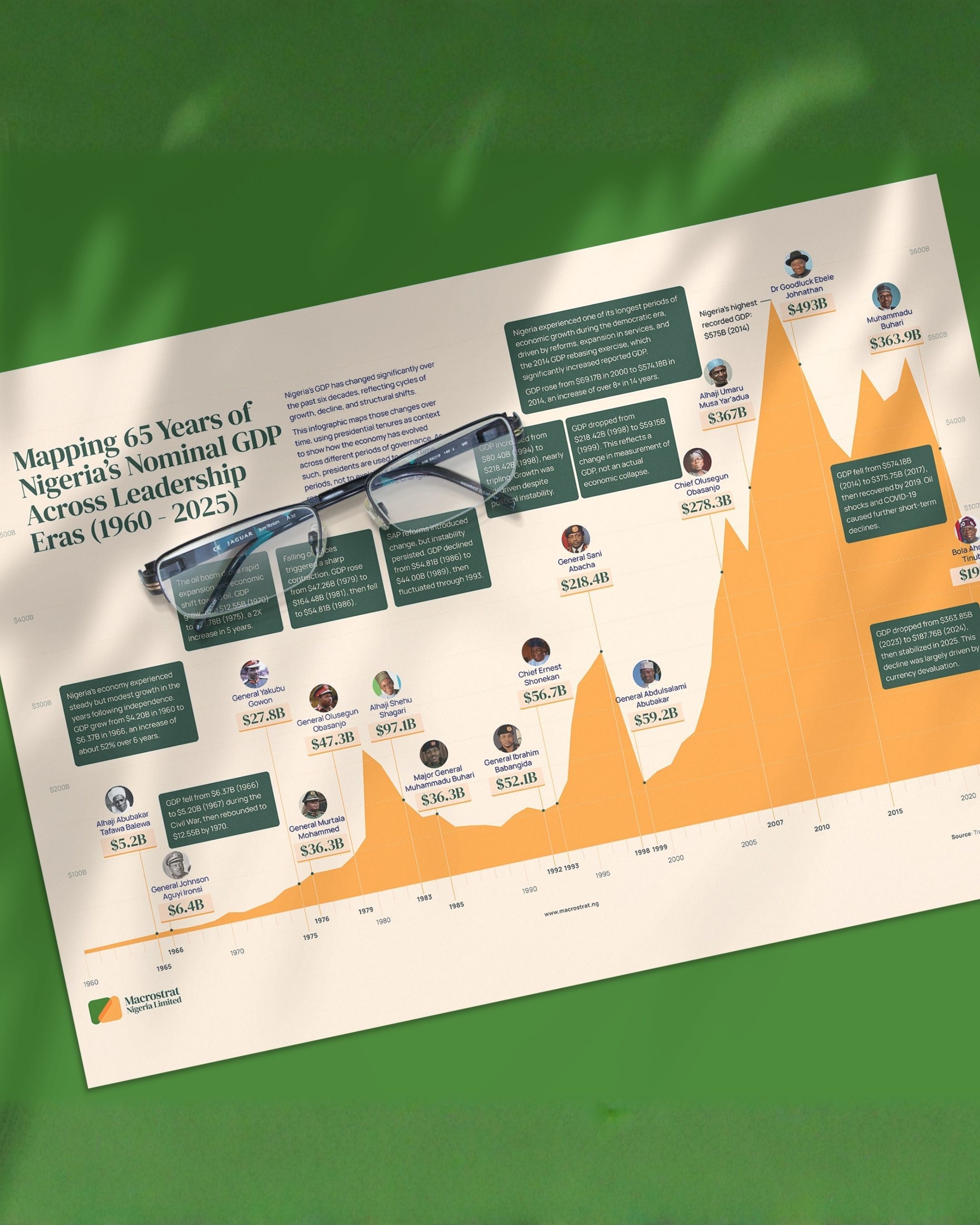
Nigeria’s GDP has changed significantly over the past six decades, reflecting cycles of growth, decline, and structural shifts.